



Inside Seabourn’s thoughtfully curated inclusive wine collection
The afternoon has settled into that familiar Seabourn rhythm.
Lunch has lingered just long enough. Someone reaches for the wine list, looking for something that pairs beautifully with the moment. The server pours a glass and mentions that the vineyard has been in the same family’s hands for centuries. Or that the grape was once thought extinct. Or that the winemaker left one of Spain’s most famous wine designations because he believed there was a better way to make wine.
Suddenly, the wine is no longer simply something to drink. It’s another destination, another story, another unforgettable place discovered along the journey. That idea inspired Seabourn’s new inclusive wine collection. We asked ourselves: What if every bottle earned its place not through price or fame, but because it represented something worth discovering?
Through countless tastings, conversations with growers and visits to vineyards over the past year, our team sought wines that speak to discovery – a collection that invites exploration.
The result spans ten countries and both hemispheres, from volcanic vineyards in southern Italy and ancient vines in California to coastal New Zealand, Germany's Mosel Valley and Spain's Rioja. Meet our Inclusive Wine Collection: 25 unforgettable wines, included for guests to enjoy on board. Part of Seabourn’s broader wine offering, some are icons. Others are hidden gems. Each tells a story.
Welcome to Behind the Bottle.
Wine history is filled with unexpected discoveries, bold decisions and producers willing to challenge convention. Several wines poured aboard Seabourn didn’t simply witness that history - they helped write it.
Take Santa Margherita Pinot Grigio. Today, its crisp, refreshing style is recognized around the world. But in 1961, Santa Margherita became the first producer to vinify the grape without skin contact, transforming a traditionally copper-colored wine into the bright, elegant white that inspired an entire category. What feels familiar today was once a genuine act of reinvention.
Farther south, another bottle tells a story that nearly disappeared. Carménère was believed extinct after phylloxera devastated Europe in the nineteenth century. Then Chilean vineyards thought to contain Merlot revealed a secret: Carménère had been thriving among them for decades. De Martino became the one of the first wineries to label and export the rediscovered grape, returning one of wine’s forgotten varieties to the world stage.
One story arrived by telegram. In 1935, American financier Clarence Dillon was crossing the Atlantic when he learned that Château Haut-Brion—one of Bordeaux’s legendary First Growth estates—could be purchased if he acted immediately. His two-word reply: “Act Fast.” Today, Clarendelle Blanc, named in his honor, carries that heritage forward.
Long before Champagne became synonymous with modern luxury, Josephine Baker had chosen her favorite. In 1930s Paris, she signed an exclusive agreement with Maison Montaudon and served its Champagne during her cabaret performances. Nearly a century later, the house’s lively Champagne and red “M” evoke both an enduring family legacy and a dazzling chapter of Parisian history.
Austria’s Kracher Auslese Cuvée comes from one of the world’s most celebrated producers of sweet wine. Around Lake Neusiedl, cool morning fog followed by warm afternoon sun creates ideal conditions for noble rot, concentrating the grapes into expressive dessert wines. Alois Kracher helped bring international acclaim to the region, with the winery’s celebrated wines earning comparisons with Château d’Yquem, Tokaji and Germany’s great sweet wines.
Other wines carry history more quietly. Feudi di San Gregorio Greco di Tufo comes from Campania, where volcanic soils and ancient Greek vines have shaped wine for more than two millennia. Archaeological discoveries beneath Mount Vesuvius confirmed the region’s Roman-era legacy; today, the winery is helping redefine southern Italy for a new generation.
These bottles remind us that wine is history we can still taste.
Together, these producers remind us that extraordinary wine begins in fields where today’s caretakers understand they are borrowing the land from those who came before—and preparing it for those who come next.
In Germany’s Mosel Valley, the Loosen family has tended vineyards for more than 200 years. Ernst Loosen’s holdings include sites ranked among the region’s finest in the Prussian classification of 1868, with some vines on original rootstock more than 120 years old. Dr. Loosen Dry Riesling is a benchmark Mosel expression: vibrant, mineral-driven and unmistakably shaped by place.
In Italy, the story stretches even further. In 1353, Pietro Alighieri, son of Dante, purchased an estate in the Veneto. Twenty-two generations later, his descendants still steward it. Serego Alighieri Poderi del Bello Ovile represents an unbroken chain of family care lasting through the Renaissance, the Industrial Revolution and into the modern world. Few bottles connect literature, landscape and lineage so completely.
In Tuscany, the first written mention of Terrabianca dates to 1085—more than two centuries before Dante wrote The Divine Comedy. Campaccio, one of the region’s respected blends from the estate today known as Arillo in Terrabianca, reflects generations of farming layered upon one another, each adding a chapter without erasing the last. Its character belongs as much to that accumulated knowledge as to any single vintage.
Sometimes family history crosses oceans. The Antinoris have shaped Italian wine for more than 600 years. In Chile’s Maipo Valley, that experience found a new home at Haras de Pirque, an estate once known for thoroughbred horses. Hussonet Cabernet Sauvignon marries Old World discipline with New World generosity in a gravity-flow winery curved like a horseshoe.
Not every family story begins with wine. In California’s Contra Costa County, Fred Cline inherited his respect for farming from his grandfather Valeriano Jacuzzi, of the family later associated with whirlpool baths. Vineyards contributing to Cline Cellars’ Zinfandel were planted as early as the 1880s. Contra Costa’s sandy soils protected many from phylloxera, leaving original-rootstock vines whose concentrated fruit and depth cannot be hurried or imitated.
Tradition, however, is not about preserving the past unchanged. It is about carrying its lessons forward. In South Africa’s Swartland, Chris and Andrea Mullineux have become modern icons by embracing some of the country’s oldest vineyards. Kloof Street Old Vine Chenin Blanc comes from dry-farmed bush vines rooted in shale, schist and granite. Despite the international awards, its message remains simple: Old vines still have new stories to tell.
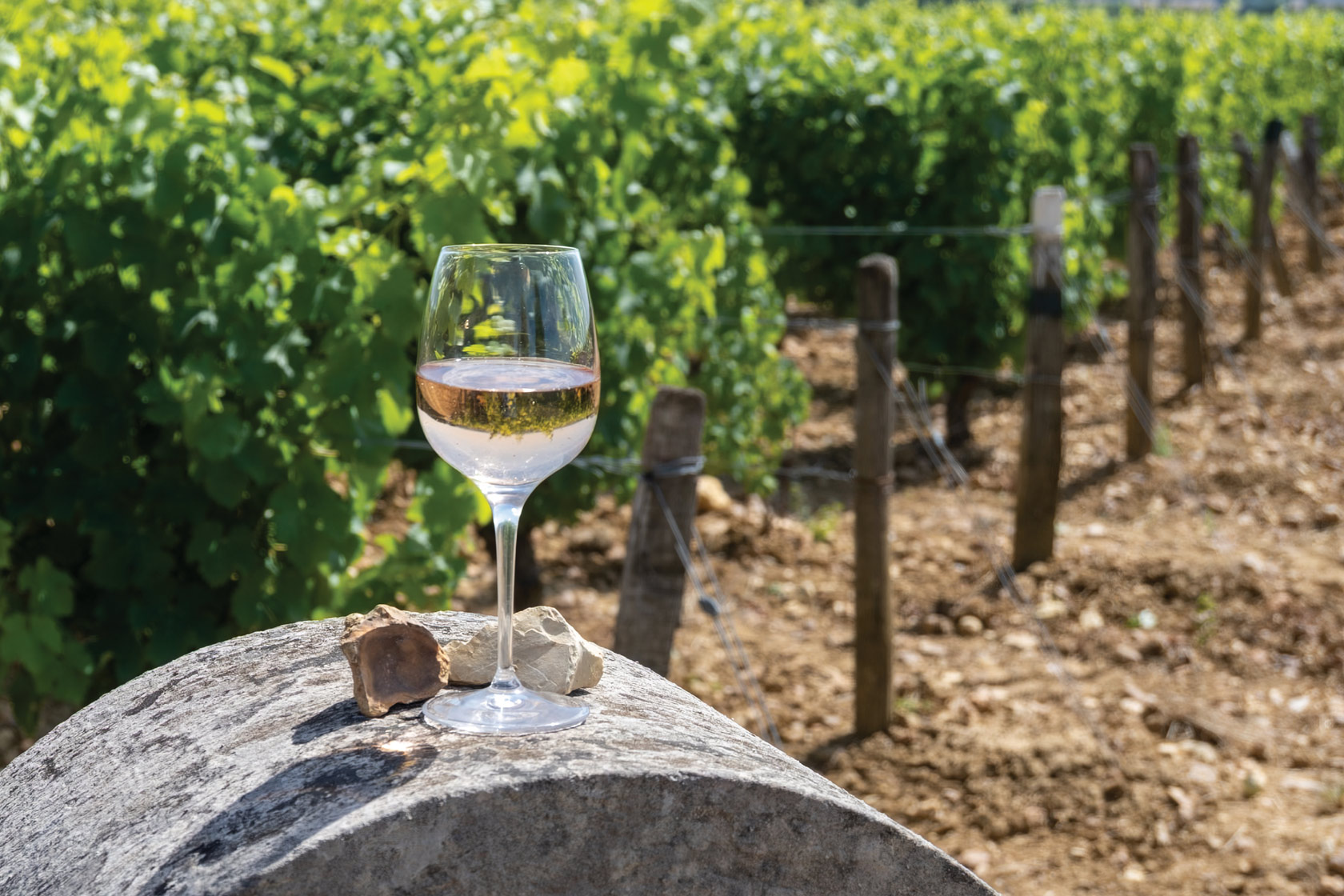
Wine has a word for the way a place leaves its mark in the glass: terroir. Climate, soil, elevation, rainfall and landscape shape a wine’s character. The same grape grown in Burgundy tastes profoundly different in California; volcanic soils in southern Italy produce wines unlike those from anywhere else. Seabourn therefore looked beyond familiar labels for bottles that express their origins as honestly as the destinations guests explore.
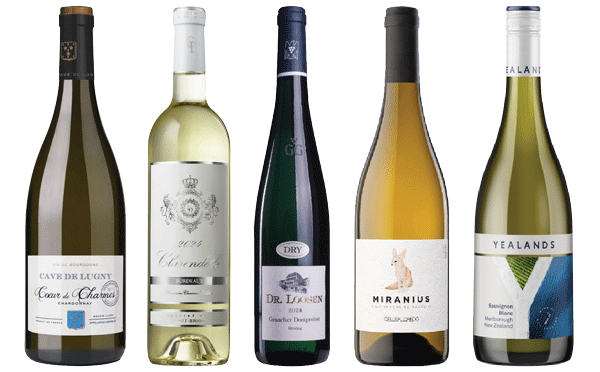
Consider Burgundy. Prestige alone wasn’t enough. Seabourn went directly to Cave de Lugny, a cooperative founded in 1926 that represents hundreds of family vineyards and supplies fruit from the same source used by celebrated Burgundy houses. La Côte Blanche Mâcon-Villages speaks clearly of limestone soils—bright, mineral and beautifully balanced, with the elegance guests seek from white Burgundy. Authenticity, it suggests, is sometimes found one step closer to the vineyard. In Campania, Feudi di San Gregorio Greco di Tufo captures compacted volcanic ash in its crisp minerality. It doesn’t merely come from Campania; it tastes unmistakably of it.
In Spain’s Penedès region, Recaredo’s Miranius Xarel·lo tells the story of growers who chose place over prestige. Recaredo helped found Corpinnat, leaving the traditional Cava designation to pursue stricter standards, biodynamic farming and estate-grown wines. It was a consequential decision made in service of authenticity. Miranius carries the freshness and salinity of its Mediterranean vineyards into every glass.
At Yealands Estate in Marlborough, vineyards lie close enough to the Pacific for ocean mist to settle across the vines. Sheep graze between rows, native plants encourage beneficial insects and an early carbon-neutral winery works in harmony with the coast. Yealands Sauvignon Blanc delivers vivid citrus, crisp acidity and the unmistakable freshness of a place where the sea is always near.
The Southern Hemisphere offers more distinct voices. Chile’s Hussonet balances mountain freshness with Antinori tradition, while De Martino Carménère embodies both a rediscovered grape and one of Latin America’s early commitments to organic and carbon-neutral winemaking. South Africa’s granite, schist and shale give Mullineux Kloof Street Old Vine Chenin Blanc depth without sacrificing freshness.
Then there is Provence. Under Sacha Lichine, The Beach by Whispering Angel helped transform rosé from seasonal curiosity into a symbol of coastal living. Lighter bottles, sustainability initiatives and support for cleaner coastlines make this fresh, elegant rosé feel perfectly at home at sea. Together, the bottles form a map: Mosel’s steep slopes, Burgundy’s limestone, Campania’s volcanic earth, Marlborough’s windswept coast, Spain’s Mediterranean vineyards, South Africa’s granite hills, Chile’s sunlit valleys and California’s rolling vines. The destinations don’t end when guests return to the ship. Sometimes they continue in the next glass.
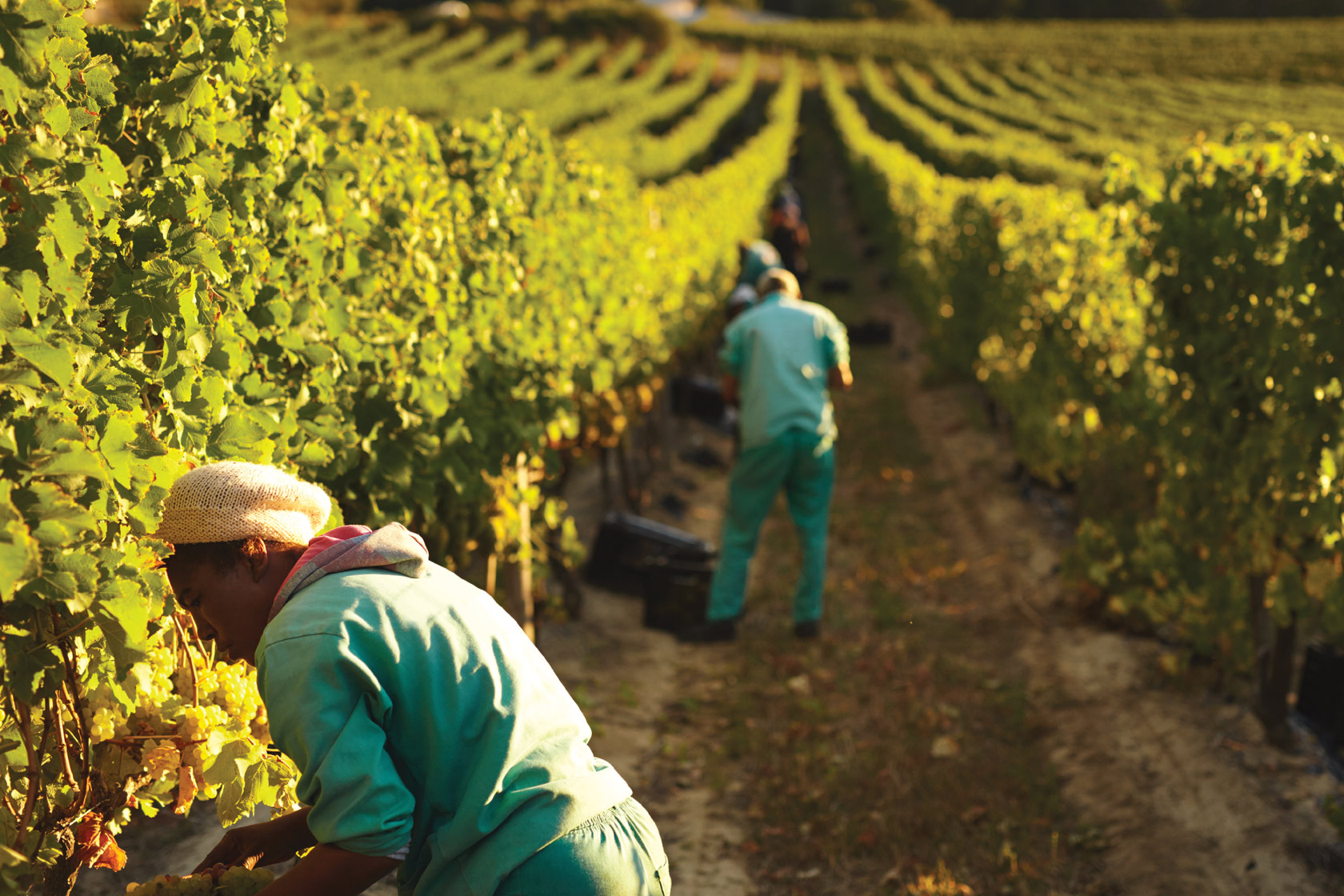
Reputation matters in wine; great producers earn it over generations. Yet sometimes the most fascinating story isn’t printed on the front of the bottle. It is found where the grapes grow. One guiding principle behind Seabourn’s collection was to ask not which labels were best known, but who was making exceptional wine. The search led to respected growers, family cooperatives and visionary producers with exceptional craftsmanship.
Cave de Lugny is a revealing example. The cooperative represents more than 400 wine-growing families and is the world’s largest producer of white Burgundy. Its Chardonnay is estate grown and bottled, allowing control from vineyard to glass. La Côte Blanche Mâcon-Villages offers citrus, mineral freshness and elegance while revealing where many celebrated Burgundies truly begin.
Haras de Pirque may be less familiar, but its owners are not. The Antinori family brought six centuries of Tuscan expertise to Chile, and Hussonet Cabernet Sauvignon shows what happens when Old World tradition meets Maipo terroir. Even the horseshoe-shaped winery uses gravity rather than pumps—craftsmanship hidden quietly behind the label.
Other producers redefine reputations. When Rhône winemaker Michel Chapoutier discovered a site in Australia’s Pyrenees region, he partnered with the Terlato family to plant Lieu-dit Malakoff Shiraz. Its pepper, structure and restraint combine Rhône-like elegance with Australian character.
Stewardship also matters. Yealands uses grazing sheep, native plantings and solar energy in New Zealand. De Martino became Latin America’s first carbon-neutral winery while continuing organic farming. Feudi di San Gregorio earned B Corp and Equalitas certification. The Beach by Whispering Angel uses lighter bottles and supports cleaner coastlines. Cave de Lugny embraces sustainable viticulture and vegan production, while Recaredo farms biodynamically because healthy wines begin with healthy ecosystems.
Oregon’s Cardwell Hill Cellars Estate Pinot Noir offers another quiet discovery. From the cool Willamette Valley, its bright red fruit, graceful balance and subtle earthiness reflect the thoughtful estates that have made Oregon one of the world’s leading Pinot Noir regions. It is a distinctly American expression built on nuance rather than power, and an invitation to discover a small estate through the character of its own landscape.
This collection was built around vineyards and people who care for the land with the same dedication they bring to every vintage. A familiar name may inspire someone to order a glass; the terroir—soil, people and philosophy behind it—make the wine memorable.
The best tasting room is the deck of our ship. Sun, salt air, an ever-moving horizon and conversation in no hurry make it a beautiful place to drink wine.
So Seabourn asked not only how each wine tasted where guests would actually enjoy it. Wines that kept their freshness, balance and character earned a place on our menu. Those that faded did not—a process designed around the guest experience rather than the tasting room.
That explains several unexpected choices. La Côte Blanche Mâcon-Villages retains its vibrancy through bright acidity and an unoaked style. Miranius Xarel·lo, long prized in warm Mediterranean climates, remains saline, crisp and energetic—almost designed for a seafood lunch by the sea. Dr. Loosen Dry Riesling is bone dry, precise and naturally vibrant, pairing easily with oysters and delicate fish through an extended meal. Yealands Sauvignon Blanc favors citrus, minerality and maritime freshness over tropical weight.
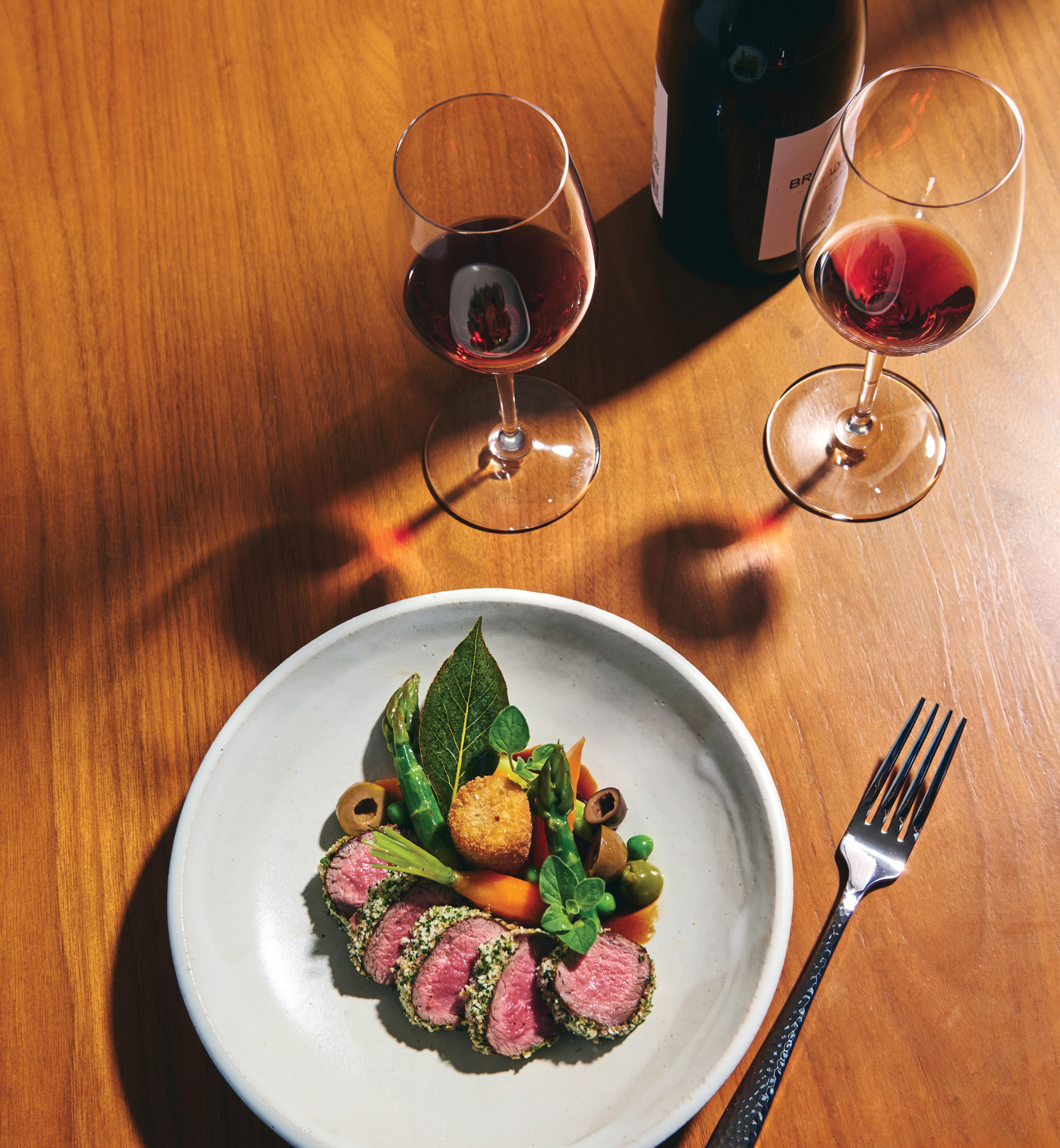
The same thinking applies to these selected reds. Palacios Remondo La Vendimia from Rioja can be served slightly chilled, allowing its bright Garnacha fruit to remain refreshing during an alfresco lunch. A slight chill also brings out De Martino Carménère’s freshness and subtle salinity. And Terlato & Chapoutier Lieu-dit Malakoff Shiraz favors peppery Rhône elegance over the jammy richness often associated with Australia, keeping it vibrant and food-friendly.
Most thoughtfully, these wines travel with the voyage. Guests sailing Campania may drink Greco di Tufo from volcanic hillsides visible from the ship. The Beach by Whispering Angel brings Provence aboard as the Mediterranean coast passes. Dr. Loosen Riesling feels like another stop along the Mosel. Burgundy, Rioja, Marlborough and Chile become not merely places on a map, but destinations experienced through the glass.
Spain’s Jaume Serra Brut Nature Cava reflects generations of traditional sparkling winemaking. Dry, crisp and endlessly versatile, it has the lively freshness to open a meal and the structure to remain at the table—demonstrating that a remarkable sparkling aperitif need not come from Champagne.
The collection becomes part of your journey on board.
The world’s great wine lists come from relationships. Relationships with growers become conversations, and conversations become collaborations—sometimes producing wines made specifically for Seabourn guests.
That philosophy comes to life through Flanagan Wines in Sonoma. Beauty of Three Cabernet Sauvignon and Beauty of Three Chardonnay were created exclusively for Seabourn and inspired by proprietor Eric Flanagan’s daughters—Riley, Lola and Ruby. The Cabernet offers a polished expression of North Coast fruit; the Chardonnay brings freshness and elegance to the table.
Alongside them is Riley’s Row Sauvignon Blanc, named for the first vines Riley Flanagan planted when she was two. She later established her own label while carrying forward the family’s belief in integrity, authenticity and a genuine sense of place. These three bottles begin their journey aboard Seabourn.
A similar partnership unfolded in Washington’s Yakima Valley. With Four Feathers Wine Services, Seabourn helped craft Dark Rock Red Blend and Fluency Brut Rosé through extensive collaboration with the winemaking team. One brings the generosity and versatility of a thoughtfully composed red blend; the other the celebratory freshness of sparkling rosé. Behind both stands the Zirkle family, whose Washington agricultural roots date back to the 1880s and whose vineyards now supply many respected Pacific Northwest wineries.
Each has earned its place on our inclusive wine list.
“There is something special about creating a wine for one place and one experience.
Beauty of Three was crafted exclusively for Seabourn—a distinctive expression of our winemaking that guests can discover only while sailing with Seabourn."
— Flanagan Wines
Ready to set sail?
Explore ItinerariesCulinary Exploration at Sea & Ashore
Celebrating the connection between dining and destination
There is an art to knowing when to engage and when to step back
Why extraordinary ingredients are at the heart of Earth & Ocean philosophy